Blog #7 Protecting our children from environmental harm
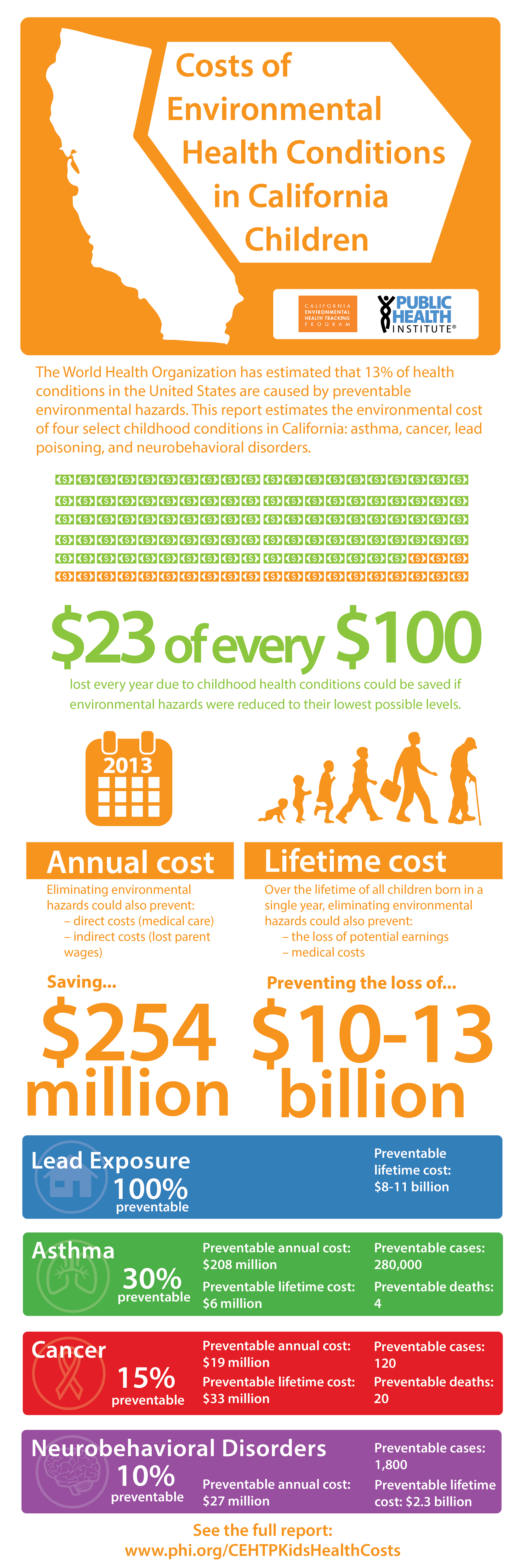
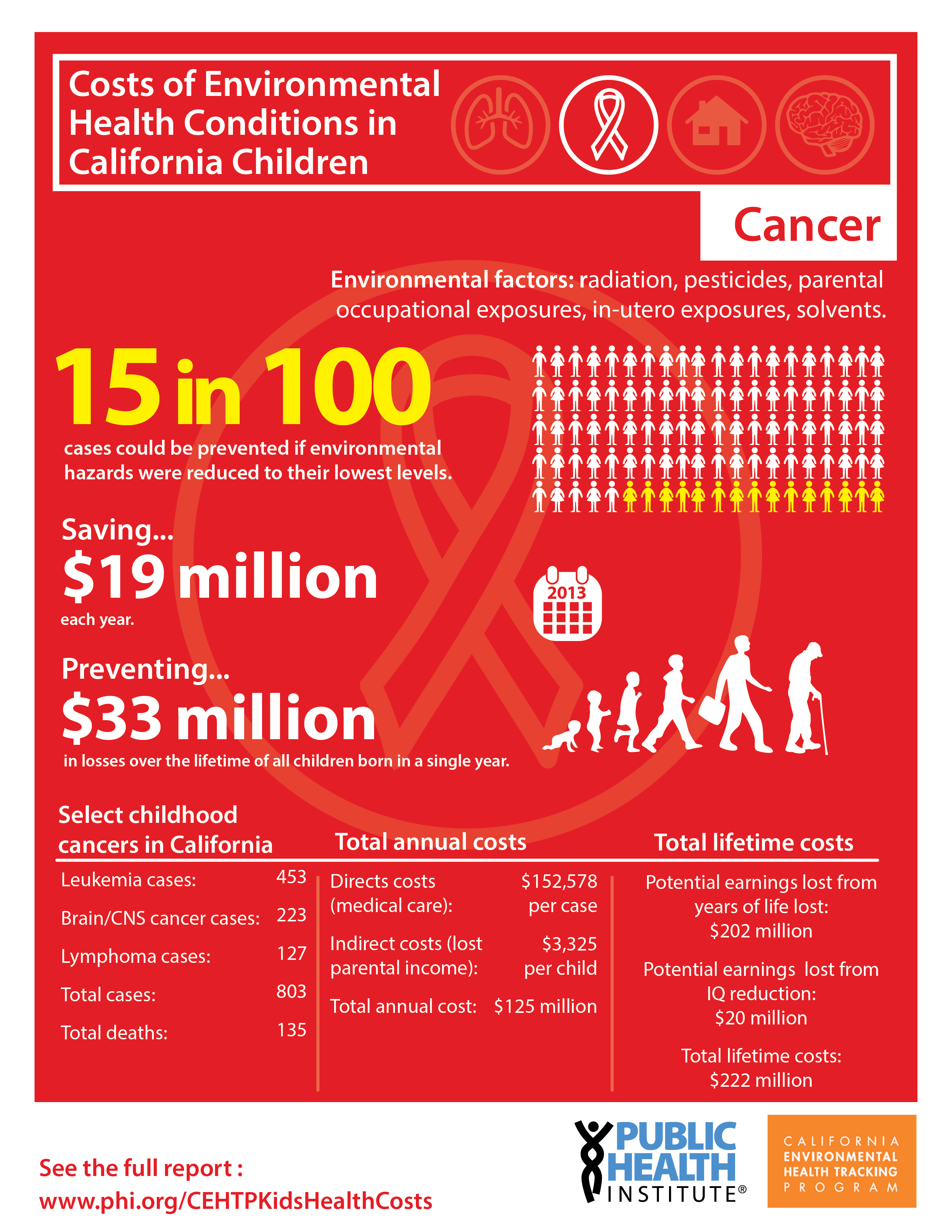
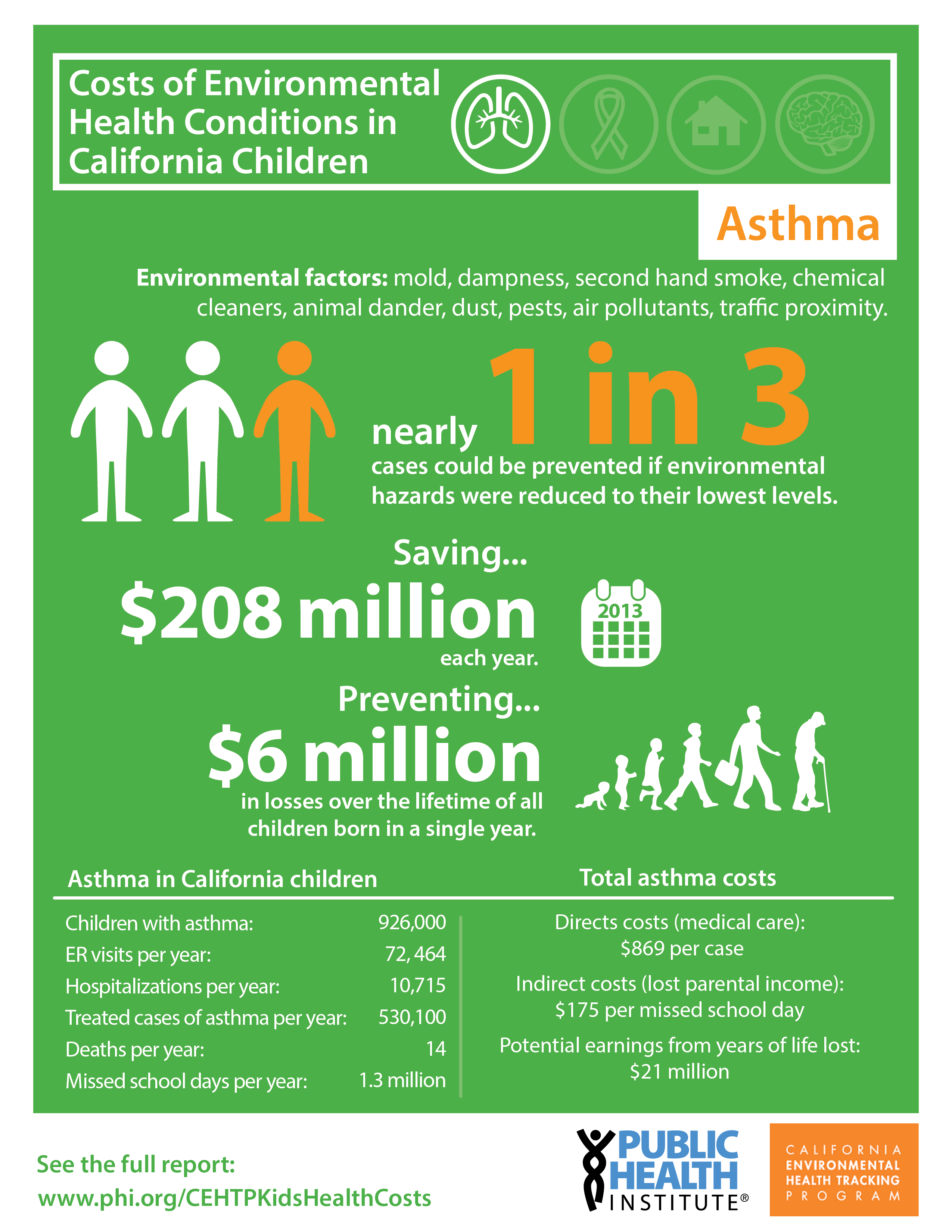 This is all PREVENTABLE. The costs of caring for children who face a lifetime of health issues or are disabled by critical developmental exposures are astounding. Unfortunately, we must first face the industries who do business with chemicals, and the dependence WE have created on materials and machinery that threaten our health.
 How should we change our practice? As was mentioned in several articles and videos, we can reduce harm, but may not be able to eliminate 100% of exposure. Providers are often reluctant to engage patients and families about environmental risks and potential causation for diagnosis in children because of their own lack of confidence in this area. It seems we need environmental health champions that provide direct education and consultation to pediatric, OBGYN and primary care providers across our country. More public health dissemination of education is also necessary.
We need educated voices that speak louder than the dollars behind the companies responsible for using toxic companies. I think if the public understood how this is affecting our future generations-- by potentially creating a more dependent population of children who have serious learning, and developmental disabilities---maybe even economists would be on board to shed light on this dark crisis.
I plan to start in my classroom by educating nurses and future advance practice providers to understand the risks, and the evidence related to environmental health. I will speak openly with my peers and colleagues and continue to seek ways to model healthier choices and support policies that seek to add transparency to the chemical industry. I will also continue to recognize that not all communities are equally exposed. Geographic medicine is about social determinants of health. Communicating how zip code influences these negative health outcomes represent inequity and racism is key to gaining traction in this area.


This comment has been removed by the author.
ReplyDeleteJennifer, I also was very taken by the article readings " In Harms Way". It makes me very upset that so much is known of causes our children harm yet it is still a political battle to make children safe. It just does not make sense. As tax payers we should demand the safety of our children first. We need to advocate with the information we now know. Even though I am a family nurse practitioner and a nursing instructor, there was so much I did not know. I am so glad that I am taking this class, because now I will at least make sure that I share this knowledge with future Nurse Practitioners and Nurses.
ReplyDelete