Blog #4
Toxicology v. Pharmacology: Dose effects that are harmful v therapeutic effects. We spend so much time memorizing drugs and pharmacokinetic effects in nursing school..but why not toxicology? Even MD's only study one course in toxicology unless they take on an ED specialty. More education for clinicians is necessary to convey knowledge surrounding the many exposures in our environment. I would like to see this become part of all clinical education.
 My current confidence in the evidence provided by the EPA is not high. However, they do provide a great resource called "ECOTOX" where a database of nearly 12,000 chemicals exists. You can look up studies and who and what they were tested on. It is very comprehensive, but difficult to apply unless you have your Phd in chemistry..I tried looking up ingredients in most deodorants (since I am on a quest to reduce harm in my daily living) and was not able to find the actual compounds.
Fracking: We do not have any fracking in SD proper, but do rely on deep wells to supplement drinking water and irrigation. I lived for 10 years in and near Santa Barbara where there are several, and grew up on the north central coast where we experienced groundwater contamination. The more I learn about fracking, the more I hate it. The destruction it causes should be enough reason to stop this practice. The negative health risks related to ground water contamination, asthma, silica exposure and wastewater used to irrigate our food supply.
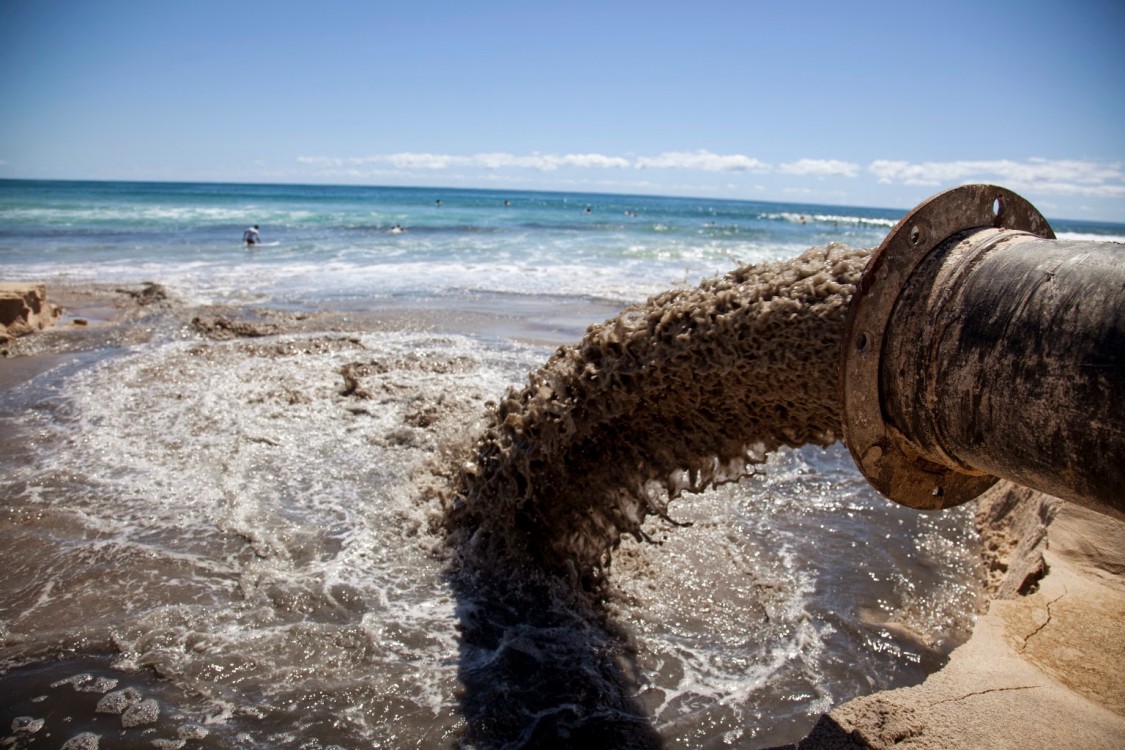
I liken the fracking industry to a drug cartel- it is not just the end product that dirty energy- it is the entire cycle from business, to production, to transport to bribery & corruption that make it criminal. The EarthJustice group is a law group that works on large environmental law cases. Their website has a map of CA fracking sites and incidents related to this destructive industry.

"Perc" can and should be avoided. The risks of cancer, lung disease and neurological symptoms have been linked to these chemicals. Many dry cleaners now use alternative processing to clean clothes. C02 and wet-cleaning methods can achieve similar results. More restrictions on maintenance and emission from PERC cleaners need to also be addressed. We should consider how much industry workers who are exposed in carpet cleaning, dry cleaning, laundry services, tailoring and printing/graphics.
Using a simple screening questionnaire is a good way to summarize patient risks.
IPREPARE:
- Investigate potential exposures
- Present work
- Residence
- Environmental concerns
- Past work
- Activities
- Referrals and Resources
- Educate


This blog is very concerning to me and it really hits home. I grew up drinking water and eating off of pottery from Mexico. We ate more candy form Mexico than from the US. I had jewelry form vending machines, I have consumed and am a fan of Tamarind and chili spices. I don't do chapulines, at least one less exposure.
ReplyDelete