Blog #8: Environmental Justice
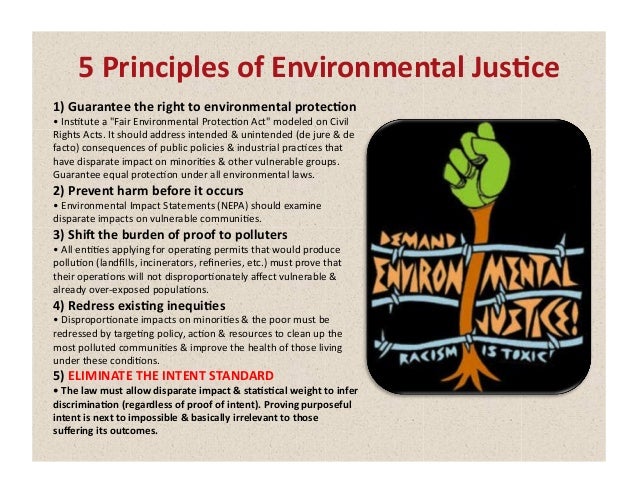
- Have you heard of environmental justice before? Environmental Justice is the right of all people and communities to live, work, and play in a clean and safe environment.
- Have there been any environmental events in your area that would fall under the purview of environmental justice?
- In San Diego, we are in the top 10 metropolitan areas of the country growing in population density, poverty and pollution. Being a border community, we have a geographically polarized region in the south and southeast areas of SD. The border regions experience more water pollution from Mexico's fractured sewer system, improper waste disposal sites, inadequate housing and concentrated areas of manufacturing, ship-building and other high polluting industries. A local organization addressing these disparities and the complexity of border living and environmental justice is the "Environmental Health Coalition". This organization examines data correlating poor health outcomes with disproportionate levels of pollution and toxic exposures within our communities of color. They also highlight work done in 2003, "Building Healthy Communities from the Ground UP" that looked across CA to identify communities in crisis and regions where labor, industry, policy, citizens and healthcare need to come together to raise awareness regarding the injustice among our diverse populations.
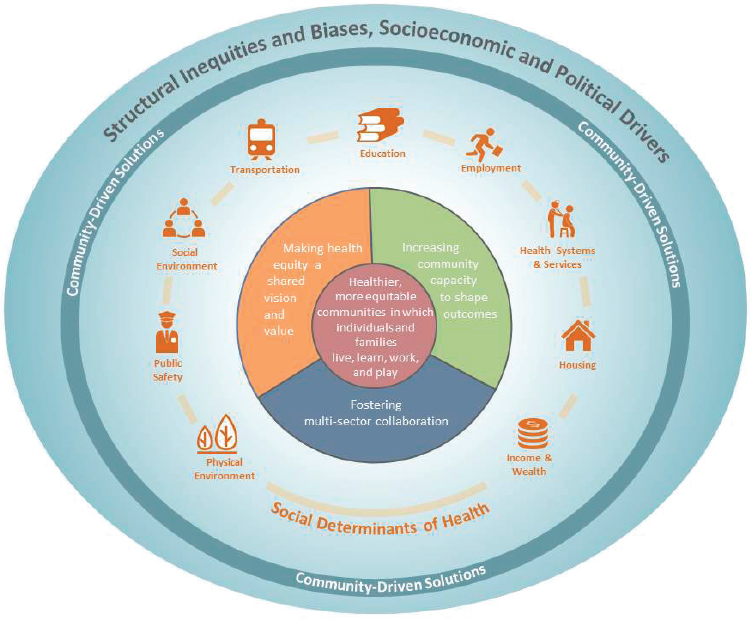
- When you hear the phrase "social determinants of health" do you think of environmental justice as one of them? I cannot think of SDOH without thinking of EJ. When I work in community based clinics in low SES neighborhoods in SD, I have to be creative in thinking how to strategize with patients to guide them in healthy eating choices and exercising. When residents are living in Health food deserts and not safe to be outside because of pollution or hazards, this is a HUGE barrier. So many of my patients suffer from athsma and diabetes which are directly related to where and how they live. How can we incorporate environmental justice into our work to address the negative social determinants of health?
- We have to address these issues and look upstream- we need to educate health care providers about how they can influence change.
- If we follow the dollars, we find the root cause of many of the issues surround EJ. Corporations are not held accountable by our own EPA or local governments to protect the health of our communities. We also need to start incorporating environmental assessment into our patient care. We need to ask the questions so that we can add to the data. The science is clear how environmental exposures to toxic chemicals influence human health- but we need to connect the dots geographically to demonstrate how these conditions disproportionately effect low SES and communities of color more.
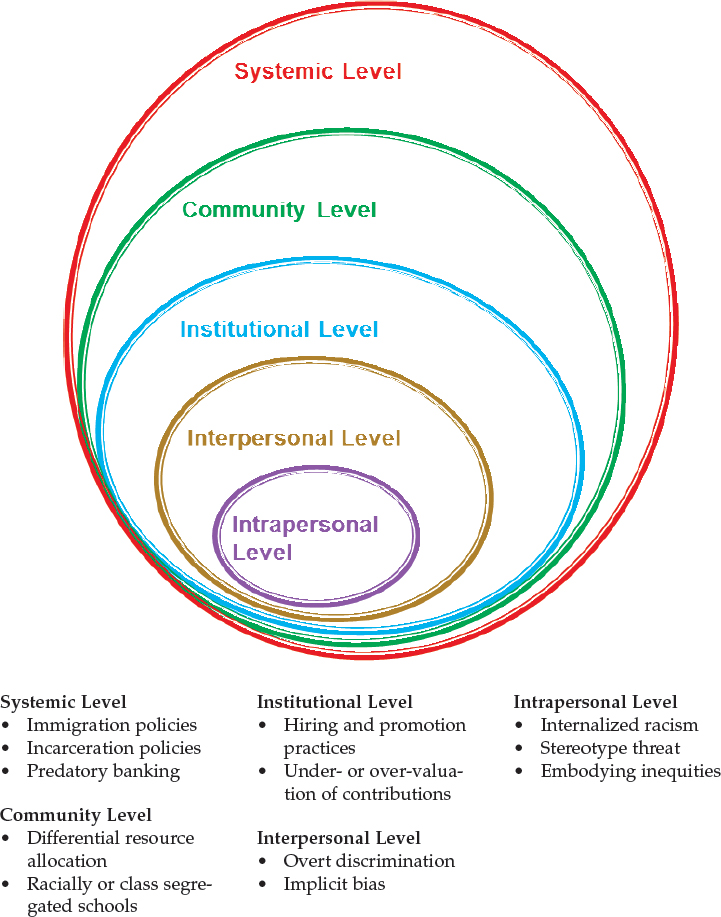
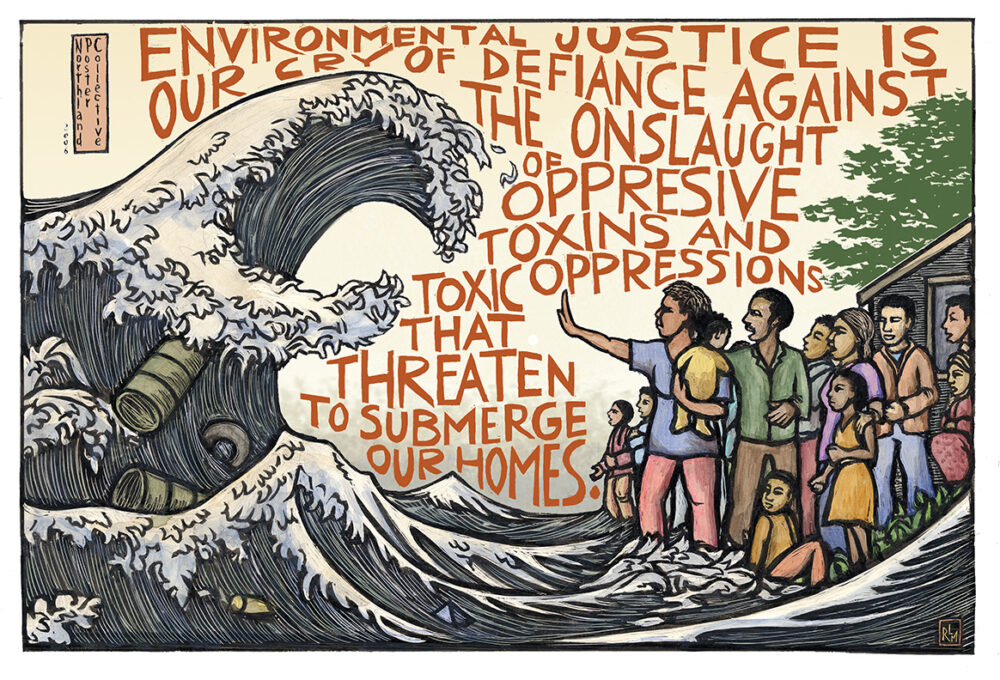



Jennifer, every time, I read information about the health effects on children and how they are tied to the environment, I can't help but to feel "helpless". How can as consumers, we defend ourselves against these greedy companies. Their main objective is money not the health or the well-being of the people.
ReplyDelete