Working in free clinics in urban settings- I have often considered how ethical it is to feed a vulnerable population expired or nearly expired food on the regular as a "charitable" act. At shelter based clinics and food distribution sites, the food being served or distributed is often just past the date or near its "best by" date. I have learned that food waste is a major problem in this country, and the last thing I want to see is more food wasted while people go hungry. Unfortunately, the populations being served this food tend to have multiple risk factors making them vulnerable to potential food poisoning that could be deadly. A story out of
Denver in 2012 indicated that over 350 homeless individuals became ill after eating a free turkey dinner at a homeless shelter. A
2011 article in the journal of Foodborne Pathogens and Disease highlights the vulnerable populations who are more at risk. Those living in shelters, group settings and hospitalized patients are on this list. Between 2016-2018, A
Hepatitis A outbreak in San Diego led to nearly 600 cases and over 50 fatalities primarily affecting the homeless population. Close quarters, poor hygeine all contributed to this. This is often looked over in outreach and homeless services as a major health concern.
Unfortunately, after watching the videos on the extent of our global food chain and the risks imposed by having the convenience of fresh food year round at our disposal- we do not have much room for risk to spare. We have created a system that is set up to spread foodborne illness and allow questionable practices to develop at the expense of public health.
Just today, I had a playdate with a neighbor friend's children and the mom asked me if I had any of the newly recalled
California Avocados. Understanding the increased risk to small children, we went through my refrigerator and found that all of my avocados were from Mexico, and therefore did not pose a threat to my guacamole. My husband works in a large urban hospital here in SD and has had foodborne illness multiple times...We often wonder (joke) if the hospital is trying to maintain its census by increasing the population needing care. They create their own patient population by serving bad food! The fact sheets provided by
USDA are helpful to provide patient teaching for populations at greater risk.
The global risk of antibiotic resistance is not to be ignored. Agriculture is a major player in this potential threat. By feeding healthy animals low doses of antibiotics to achieve larger specimens to bring to market is making us sick. There is an effort by CDC through the
NARMS program to address this. We also need to be educated as consumers and use our purchasing power to send a message to industrial agriculture that we will not participate in this dirty practice.
As much as I love a good burger.. I have been vegetarian a few times in my life. I make a concerted effort to buy only organic meats and locally sourced whenever possible. This is difficult to maintain when eating out. I am considering going vegetarian again. I always encourage a low meat, higher plant dense diet for patients. At the shelters I work in- this is not an option for most. I do have a few vegetarian clients. but this is almost impossible to maintain when relying on free meals. I will continue to advocate as a consumer, health professional and voter to change this for the sake of our planet and the animals that we need to live among us.
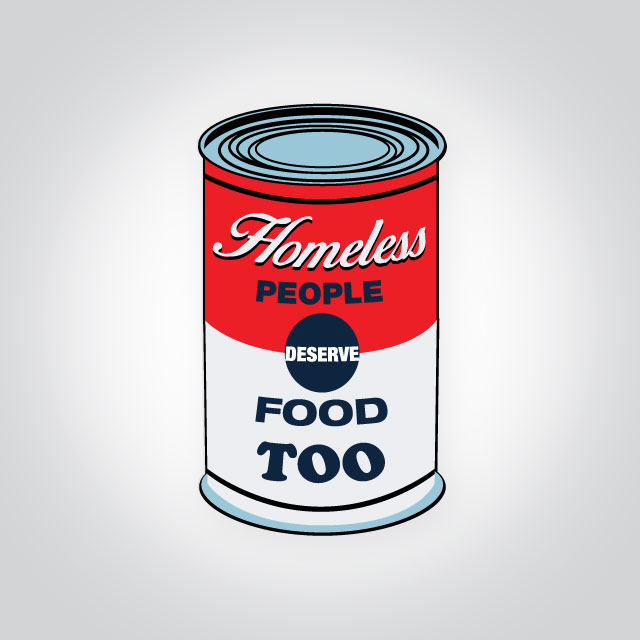



I also feel bad when people are too quick to give away what they don't want. I does not make sense to me, why would I want to give away to someone else what I would want to through out because it is no longer good or safe. I prefer that those people just throw it out rather than trying to pretend to be a good Samaritan and get people sick.
ReplyDelete