Blog #16 Agriculture
This module was the most difficult one for me to read through and watch the films. Agribusiness is close to my heart being from the Central Coast of CA. I grew up understanding the plight of farmers, water issues, importance of bees, sustainability and the taste of organic fresh produce. I am disheartened that not much has improved over the past 40 years. Yes, we have made some strides with popularity of farmer's markets , knowledge of organic sustainable agriculture. We continue to battle for rights of farmworker's and issues of human trafficking are alive and well. The stories in the Dirt film of suicide rates of farmers and living conditions for workers was shocking. I also cannot believe how far we have allowed industrial farming practices to go. The mono-culture trends that began in the 1950's continue across our heartlands. The fate of these practices for our food supply and planet is daunting. One of the take aways for me was in one of the Ted Talk that said we have enough food to feed every individual on earth 6,000 calories per day, yet we have nearly 40% of the earths inhabitants starving or malnourished. Another was that we produce 80% of the worlds corn and soy and only 2% is actually consumed as food. The future of the planet without bees is also heavy on my heart. I have watched several other documentaries about bees, but the Vanishing of the Bee's film was particularly good. I really understand how we got here and unfortunately how much control corporate food companies have. The Chinese honey import is absolutely devastating. I had my five year old watch it with me and she was captivated. We had a good thirty minutes of debriefing about it after. She continues to have questions and wants to make a home for bees in our urban yard.
The heaviness for me is what can I do? As one person? As one family? I have always been fortunate to have access to healthy fresh food and able to make the choice to buy local and organic produce. We follow the Michael Pollen's "Food Rules" and eat mostly plants and locally sourced foods. I have tried diligently to not waste food in our home. I support local business who sell fresh produce, organic food , local honey, local wine and any products I can that are sourced with local items. I realize this is an incredible PRIVILEGE, and not optional for many. This is the shift I would like to be a part of . Making the choice to support better farming practices that are good for the farmer, the workers and the earth. Tall order, but I think we can keep working towards this.
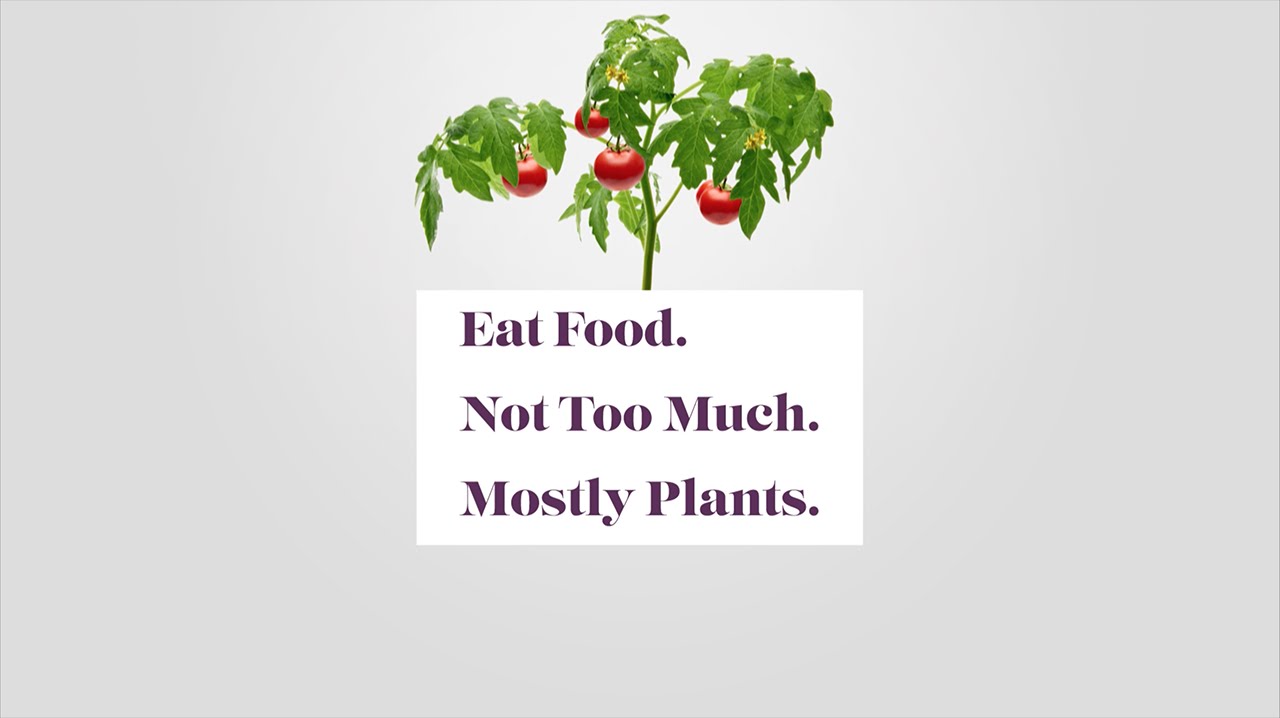


The heaviness for me is what can I do? As one person? As one family? I have always been fortunate to have access to healthy fresh food and able to make the choice to buy local and organic produce. We follow the Michael Pollen's "Food Rules" and eat mostly plants and locally sourced foods. I have tried diligently to not waste food in our home. I support local business who sell fresh produce, organic food , local honey, local wine and any products I can that are sourced with local items. I realize this is an incredible PRIVILEGE, and not optional for many. This is the shift I would like to be a part of . Making the choice to support better farming practices that are good for the farmer, the workers and the earth. Tall order, but I think we can keep working towards this.


This article actually made me cry. I grew up pretty much like these workers. My father was the foreman, but we also lived in one of the "poor houses" Our home had one bedroom, tiny kitchen , small living room and 1 bathroom for 2 adults, eight children and grandma.My bedroom was the closet because we could fit a mattress in it and I shared it with one sister. I grew up as a farm worker, picking every fruit and vegetable that grew in the valley. Long hours, poor wages. I had to work while other kids went to school. I dreaded summers, winters or any break because it meant work. I think working in the field taught me that I needed to go to school, and here I am. Thank God, my life is better!
ReplyDelete