CHILD LABOR- HOW DOES THIS PRACTICE CONTINUE?


 |
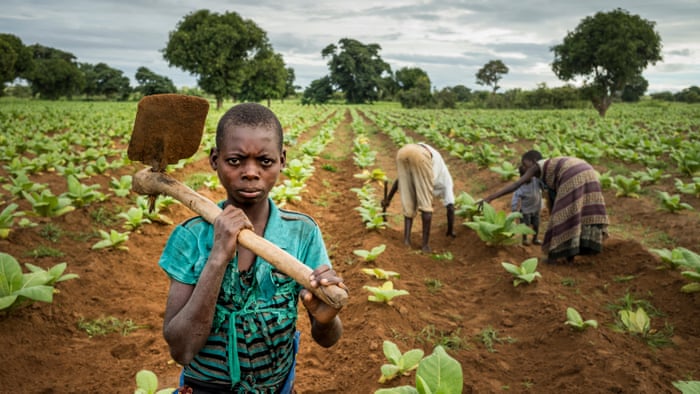
| Over 70 million children around the world work in hazardous conditions in agriculture, mining, domestic labor, and other sectors. On tobacco farms, children work long hours in extreme heat, exposed to nicotine and toxic pesticides that can make them sick. In Africa, Asia, and Latin America, child laborers in artisanal and small-scale gold mines work underground in pits that easily collapse and use toxic mercury to process the gold, risking brain damage and other serious health conditions. We are working to end the worst forms of child labor and to ensure that all children are protected from jobs that interfere with their health, safety, and education. Source: https://www.hrw.org/topic/childrens-rights/child-labor How does this practice continue? How in the U.S. do we still permit this? I cried watching the videos about this. It seems like we have not made much headway on this since the 1700's. We continue to see the health and economic effects of child labor. It is clear that this practice fuels the wealth of the rich and degrades the health and lifestyle of our most vulnerable citizens- children. There are families still having children for a perceived benefit of greater wealth. We have hidden the dark reality of child labor from consumers for too long. Perhaps we need labels for every item we purchase that tells the story behind the product. Changing the narrative of our purchasing power could make a large impact on this horrific practice. The ILO is doing incredible work to spread the word. We too must raise our voice and recognize this as a threat to global health. Facts and figures |


Jennifer, I cried too. the child labor that occurs in third world countries did not surprise me, but the child labor that is currently going on in THE UNITED STATES IN THE TOBACCO INDUSTRY BLEW ME AWAY! I still can't believe it that in this day and age, we can allow something like this happen in our own back yard. The governors of those four Eastern states should be held accountable and address this tragedy. The children don't go to school and work up to 50-60 hours per week. I will investigate more and contact the Senate/US House of Representatives. This is intolerable!
ReplyDelete